

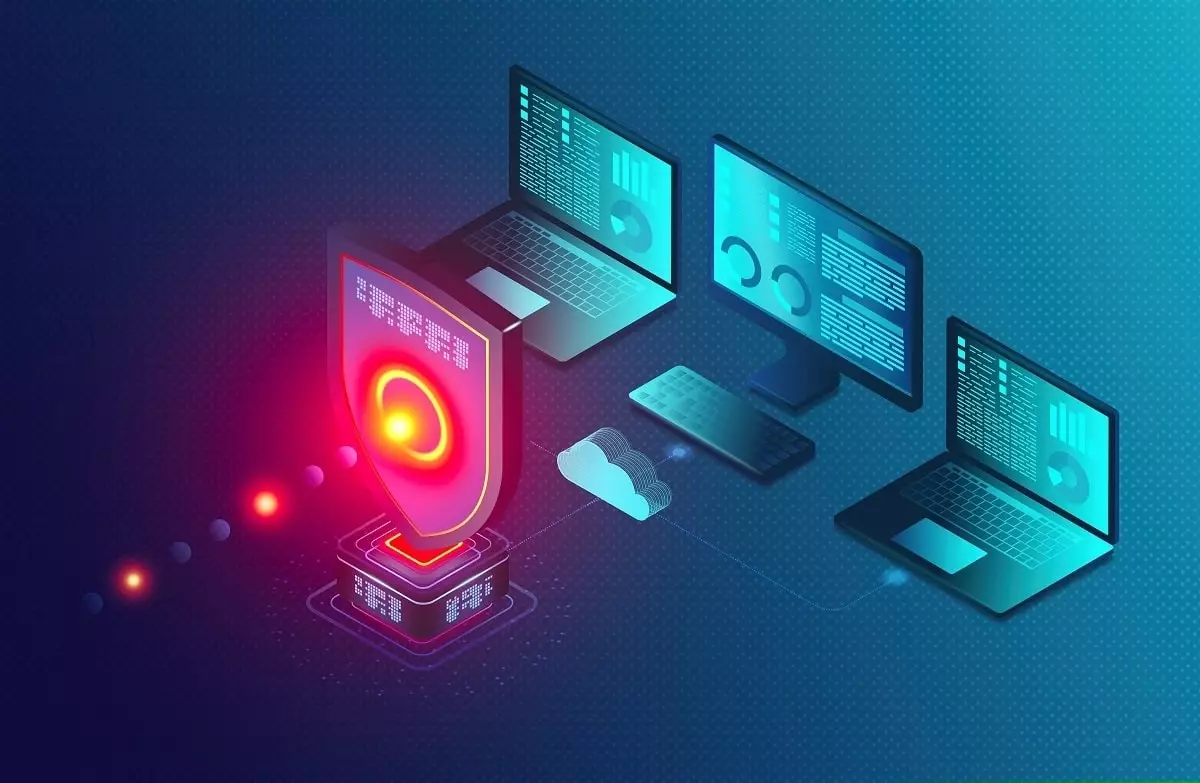
Digital Threat Intelligence & Predictive Security Networks for Modern Enterprises
Modern digital environments are increasingly shaped by continuous threat activity, automated attack systems, and evolving cyber risk patterns that operate across global networks in real time. As organizations scale their digital infrastructure, they generate vast amounts of data that can be leveraged not only for operational efficiency but also for threat detection, anomaly recognition, and predictive security modeling. This shift has made threat intelligence a foundational component of modern enterprise security strategy.
Digital threat intelligence systems go beyond traditional security monitoring by analyzing behavioral patterns, system interactions, and global attack signatures to anticipate potential risks before they impact infrastructure. Instead of reacting to incidents after they occur, organizations now rely on predictive frameworks that continuously learn from data streams and adapt their defense mechanisms in real time.

The Shift Toward Predictive Security Models
Traditional cybersecurity models focused on detection and response, relying heavily on static rules, signature-based systems, and manual intervention. However, modern threat landscapes require predictive intelligence systems capable of identifying risks before they fully manifest within digital environments. This shift represents a fundamental transformation in how organizations approach security.
Predictive security models leverage artificial intelligence, machine learning, and behavioral analytics to forecast potential attack vectors and system vulnerabilities. By continuously analyzing large-scale datasets, these systems identify subtle anomalies that may indicate early-stage intrusion attempts or coordinated cyber activities across distributed networks.
The future of cybersecurity is not detection — it is prediction and prevention at scale.
Global Threat Intelligence Networks
Threat intelligence is no longer confined to individual organizations but operates as part of global networks that share anonymized data, attack signatures, and behavioral insights across industries and regions. This collaborative intelligence model enhances the ability to detect emerging threats faster and respond more effectively to coordinated cyber campaigns.
These global networks aggregate information from endpoints, cloud systems, security appliances, and digital platforms, transforming raw data into actionable intelligence that can be used to strengthen defense systems across multiple organizational environments simultaneously.

AI-Driven Behavioral Analysis Systems
Artificial intelligence plays a critical role in analyzing behavioral patterns across users, devices, applications, and network activities to identify subtle deviations from normal operational baselines, which may indicate emerging security risks in complex digital infrastructures. These deviations often serve as early warning signals for potential cyber breaches, insider threats, credential compromise, or unauthorized access attempts occurring across distributed enterprise environments. By continuously observing system behavior in real time, AI systems are able to detect patterns that are too subtle, too large-scale, or too fast-moving for traditional rule-based security mechanisms to identify accurately.
By continuously refining behavioral models through machine learning and adaptive intelligence systems, AI-driven platforms improve detection accuracy over time while significantly reducing false positives and unnecessary operational alerts that can overwhelm security teams. This allows organizations to focus only on high-priority incidents that represent real threats to system integrity and business continuity. As a result, security teams shift from manual log inspection and repetitive monitoring toward strategic response planning, incident coordination, and infrastructure hardening across systems.
Autonomous Security Response Systems
Modern security architectures increasingly rely on autonomous response mechanisms that can detect, isolate, and neutralize threats without human intervention in real time across distributed networks. These systems operate at machine speed, enabling them to block malicious traffic, quarantine infected nodes, and prevent lateral movement within milliseconds of threat detection. This rapid response capability significantly reduces the attack window available to adversaries and minimizes operational damage during active cyber incidents across enterprise infrastructure environments.
Autonomous systems function using predefined security intelligence rules combined with real-time analytics, behavioral modeling, and contextual decision-making frameworks that ensure every response is both immediate and situation-aware. This allows organizations to maintain operational stability even under active cyberattack conditions, ensuring that defensive actions do not disrupt legitimate workflows while still effectively neutralizing malicious activity across systems and network layers.
The Future of Predictive Cyber Defense
The future of cybersecurity lies in fully predictive defense ecosystems that combine artificial intelligence, global threat intelligence sharing, and autonomous response systems into unified security architectures. These systems will not only detect threats but also anticipate attack patterns, identify vulnerabilities before exploitation occurs, and neutralize risks before they reach critical infrastructure layers in enterprise environments. This represents a complete shift from reactive defense models to proactive, intelligence-driven security systems operating continuously across global digital ecosystems.
As digital environments become more complex and interconnected, organizations adopting predictive security models will achieve significantly higher resilience, operational efficiency, and strategic advantage in managing cyber risk at scale. These systems continuously evolve using real-time intelligence, adaptive learning mechanisms, and automated decision frameworks that allow them to stay ahead of emerging threats in an increasingly hostile and fast-changing global cyber landscape.
Conclusion
Digital threat intelligence and predictive security networks represent the next evolution of cybersecurity, shifting the focus from reactive defense mechanisms toward proactive, intelligence-driven protection systems designed for modern enterprise environments. This transformation enables organizations to operate with greater confidence in highly complex and unpredictable digital ecosystems where traditional security models are no longer sufficient to handle the scale, speed, and sophistication of modern cyber threats.
AlternativeMediaNetwork operates at the forefront of this evolution, building systems that integrate cyber intelligence, behavioral analytics, predictive modeling, and digital infrastructure into a unified defense ecosystem. This approach ensures resilience, scalability, and continuous adaptation, enabling organizations to secure and optimize their operations across high-risk digital environments while maintaining long-term operational intelligence and system stability.
Leave a Reply