


AI-Driven Cyber Intelligence & Digital Infrastructure Strategy for Modern Organizations
Modern digital ecosystems are no longer defined by isolated websites, standalone applications, or traditional IT infrastructure. Instead, organizations now operate within highly interconnected digital environments where data flows continuously across platforms, systems, cloud environments, APIs, and distributed networks, creating both new opportunities for growth and significantly more complex operational dependencies. This interconnected structure increases efficiency but also introduces new layers of exposure, where even small vulnerabilities can propagate across entire systems. As a result, digital architecture must now be designed with resilience, observability, and adaptive intelligence at its core rather than static infrastructure models.
As digital dependency increases, organizations must adopt integrated cyber intelligence frameworks that combine infrastructure management, real-time monitoring, threat detection, and strategic media operations into a unified operational system. This shift is not simply technological — it represents a structural transformation in how modern enterprises maintain security, visibility, and operational continuity across all digital layers. Businesses must now coordinate security, data flow, and system performance in real time while ensuring that intelligence systems continuously analyze behavior, detect anomalies, and respond to risks before they escalate into operational disruptions or reputational damage.

The Evolution from Digital Presence to Digital Infrastructure
Traditional digital strategies focused primarily on establishing online presence through websites, branding, and marketing channels. However, modern enterprises now require far more advanced systems that extend beyond visibility into infrastructure-level control, security enforcement, real-time monitoring, and continuous operational intelligence across distributed digital environments. This shift reflects the increasing complexity of modern business ecosystems, where digital assets are no longer static representations but active components of critical operational infrastructure. Organizations must now consider not only how they appear online but how their entire digital foundation behaves, responds, and adapts under varying levels of load, threat, and user interaction across global systems.
This evolution has transformed digital systems into living infrastructures where every interaction, request, transaction, and data exchange becomes part of a continuously monitored and adaptive ecosystem. Within this model, organizations must ensure that visibility, security, scalability, and performance are not treated as separate functions but as interconnected layers of the same operational architecture working in real time. This requires the integration of analytics, cybersecurity frameworks, automation systems, and infrastructure monitoring tools into a unified intelligence layer that can detect anomalies, optimize performance, and maintain system integrity while supporting rapid digital growth and expansion.
Digital infrastructure is no longer support systems — it is the core operating system of modern enterprises.
AI-Powered Cyber Intelligence Systems
Artificial intelligence has become a foundational component of modern cyber intelligence systems, enabling organizations to analyze large-scale network activity, detect anomalies, predict potential threats, automate decision-making processes, and coordinate response mechanisms across highly distributed and interconnected digital environments. These systems operate across cloud platforms, enterprise networks, and hybrid infrastructures where data is constantly generated, transmitted, and processed in real time. As digital complexity increases, AI becomes essential in identifying subtle patterns that would be nearly impossible for human operators to detect manually, especially in environments where speed, accuracy, and scalability are critical for maintaining operational security.
These systems allow organizations to move beyond reactive security models and adopt predictive intelligence frameworks that identify risks before they escalate into operational disruptions, financial losses, or system-wide failures. By continuously analyzing behavioral patterns, system logs, authentication flows, and network signals, AI-driven platforms enhance both detection speed and decision accuracy across all layers of digital infrastructure. This enables organizations to anticipate threats, prioritize responses based on risk severity, and implement automated mitigation strategies that reduce response time while maintaining system stability, resilience, and operational continuity even under high-risk conditions.
Unified Media, Security, and Infrastructure Systems
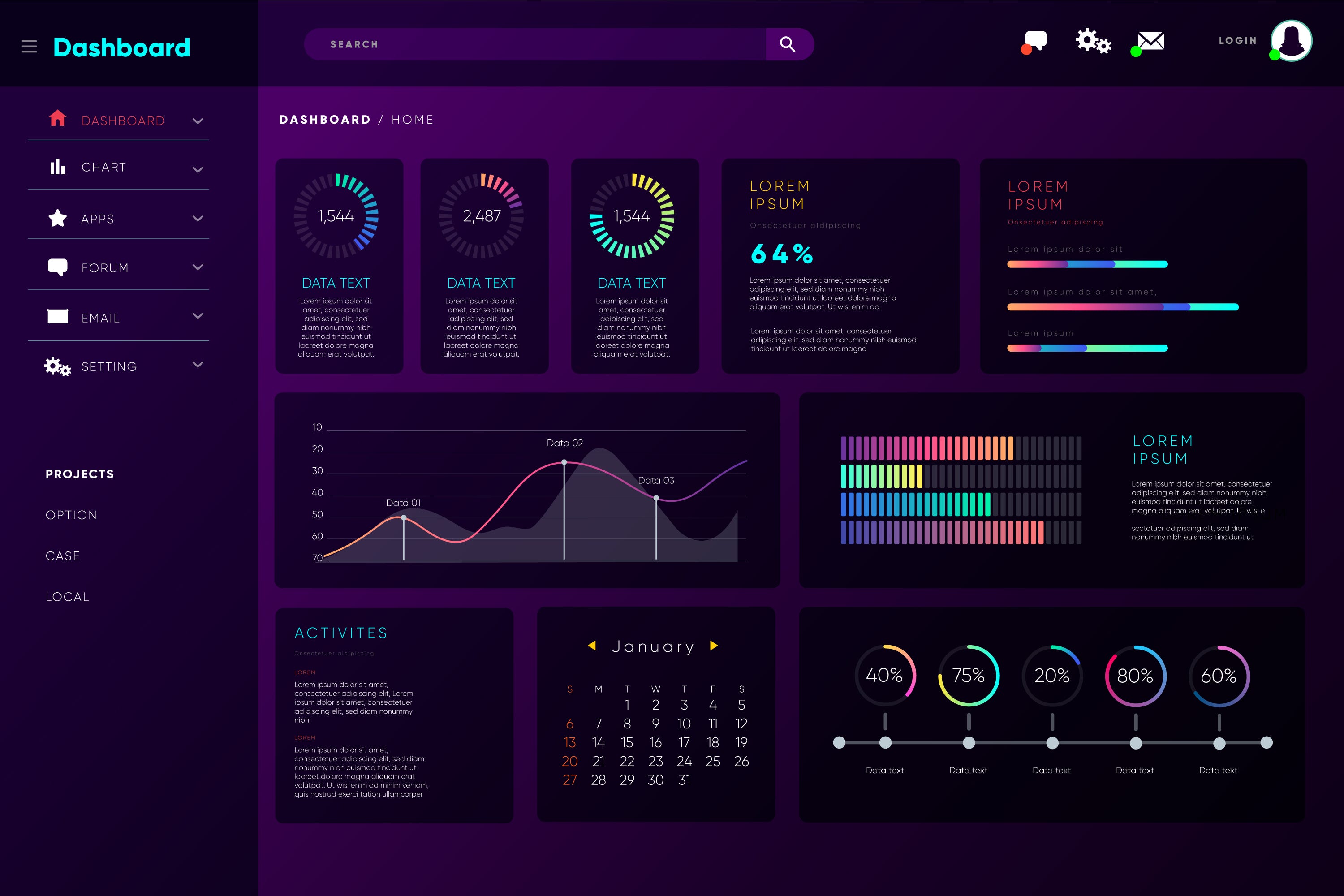
One of the most critical advancements in modern digital strategy is the integration of media operations, infrastructure systems, and cybersecurity frameworks into a single operational model. This convergence enables organizations to manage communication, security enforcement, system performance, and digital visibility under a unified intelligence layer that operates across multiple platforms and environments. Instead of relying on fragmented tools or isolated departments, enterprises are increasingly shifting toward centralized architectures where data, control systems, and operational intelligence interact continuously in real time. This approach improves coordination, reduces operational gaps, and enhances the organization’s ability to respond quickly to both opportunities and threats within digital ecosystems.
Instead of treating marketing systems, IT infrastructure, and cybersecurity as separate departments, modern organizations are building centralized control systems that allow real-time visibility, automated enforcement, coordinated response, and synchronized decision-making across all digital operations. This integrated model ensures that every layer of the organization communicates through a shared intelligence framework, reducing delays and eliminating inefficiencies caused by disconnected workflows. As a result, businesses can monitor system health, manage communication flows, and enforce security policies simultaneously while maintaining scalability, resilience, and operational continuity across complex digital environments.
Operational Resilience in High-Risk Digital Environments
As cyber threats become more sophisticated and persistent, operational resilience has become a core requirement for enterprise survival. Organizations must now prepare not only for system failures, but also for targeted cyberattacks, misinformation campaigns, infrastructure exploitation, data breaches, and reputational manipulation that can impact both operational stability and public trust. This requires a shift from reactive defense strategies to proactive resilience frameworks that anticipate risk scenarios, strengthen system redundancy, and ensure continuity even under sustained pressure from adversarial digital activity across global networks and platforms.
Building resilience requires a layered approach that includes redundancy systems, continuous monitoring, automated defense mechanisms, adaptive infrastructure, and real-time intelligence capabilities capable of responding dynamically to evolving threats without human delay. These systems must work together to detect anomalies early, isolate compromised components, and maintain service availability even during partial system failures or external attacks. By combining automation, analytics, and security orchestration, organizations can ensure operational stability while minimizing downtime, data loss, and service disruption across critical digital environments.
The Future of Digital Intelligence Networks
The future of digital systems lies in fully autonomous intelligence networks that combine AI, automation, cybersecurity, and advanced data analytics into self-optimizing ecosystems. These systems will not only monitor and protect infrastructure but also actively improve performance, detect inefficiencies, and adapt to changing digital conditions in real time without constant human intervention. As these systems evolve, they will function as distributed intelligence layers capable of managing complex operational environments across global infrastructures, ensuring both security and efficiency at scale.
Organizations that adopt these systems early will gain significant advantages in scalability, security, operational efficiency, and strategic adaptability, while those relying on traditional architectures will face increasing limitations in speed, resilience, and competitive positioning. The gap between intelligent and legacy systems will continue to widen as digital ecosystems become more complex, interconnected, and dependent on real-time intelligence processing for decision-making, threat detection, and operational optimization across all levels of enterprise infrastructure.
Conclusion
The convergence of AI, cybersecurity, and digital infrastructure represents a fundamental shift in how modern organizations operate. Businesses are no longer defined by static systems but by dynamic, intelligence-driven ecosystems capable of continuous adaptation, optimization, and real-time response to evolving digital conditions. This transformation is reshaping enterprise architecture by embedding intelligence directly into operational workflows, infrastructure systems, and decision-making processes across all organizational layers.
AlternativeMediaNetwork operates at this intersection, where digital infrastructure, cyber intelligence, and media systems merge into unified operational frameworks designed for secure, scalable, and intelligent digital growth in high-risk environments. This model reflects the future of enterprise operations, where security, visibility, and performance are not separate functions but integrated components of a continuous intelligence-driven system built for resilience, adaptability, and long-term digital dominance.
Leave a Reply